Indonesian (ID)English (United Kingdom)
Ubud Village - Bedugul Tour
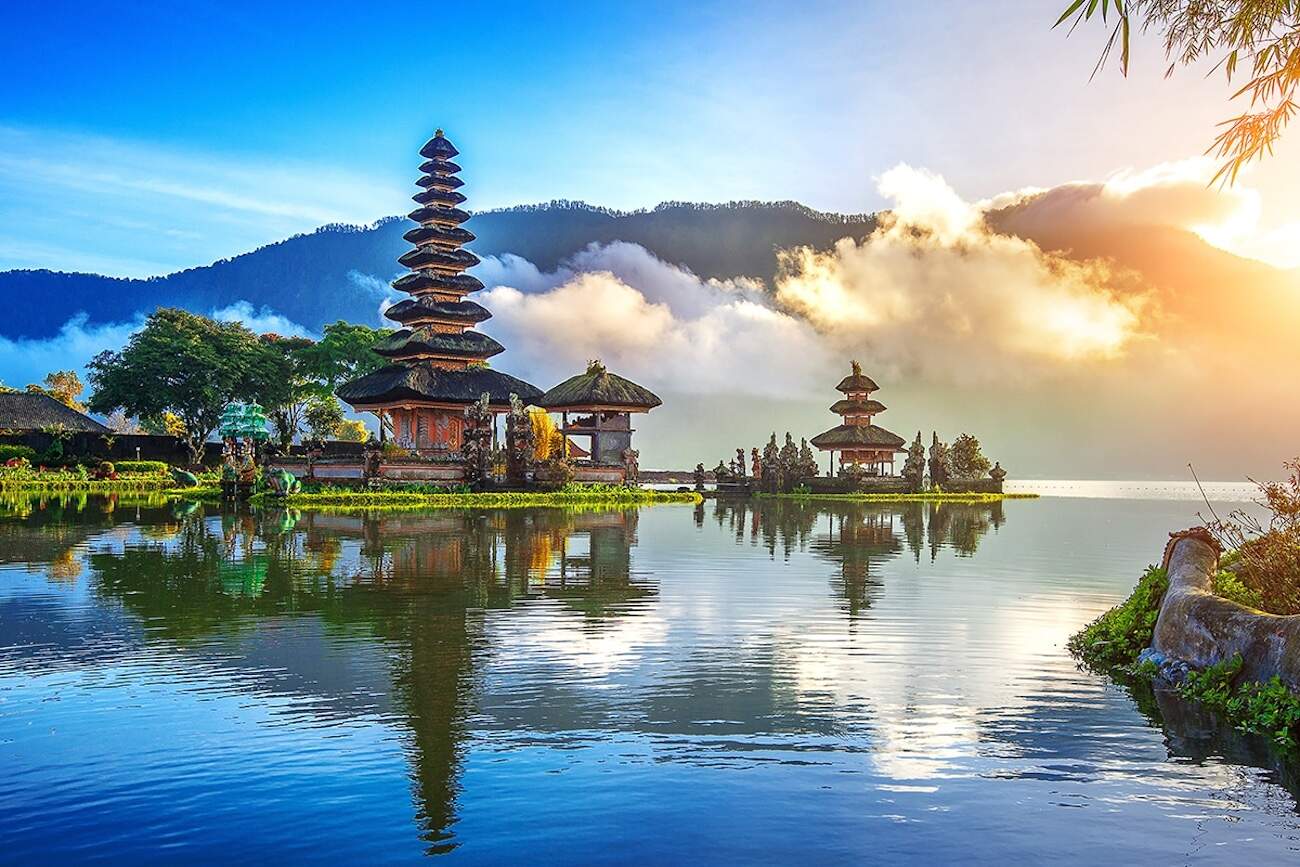
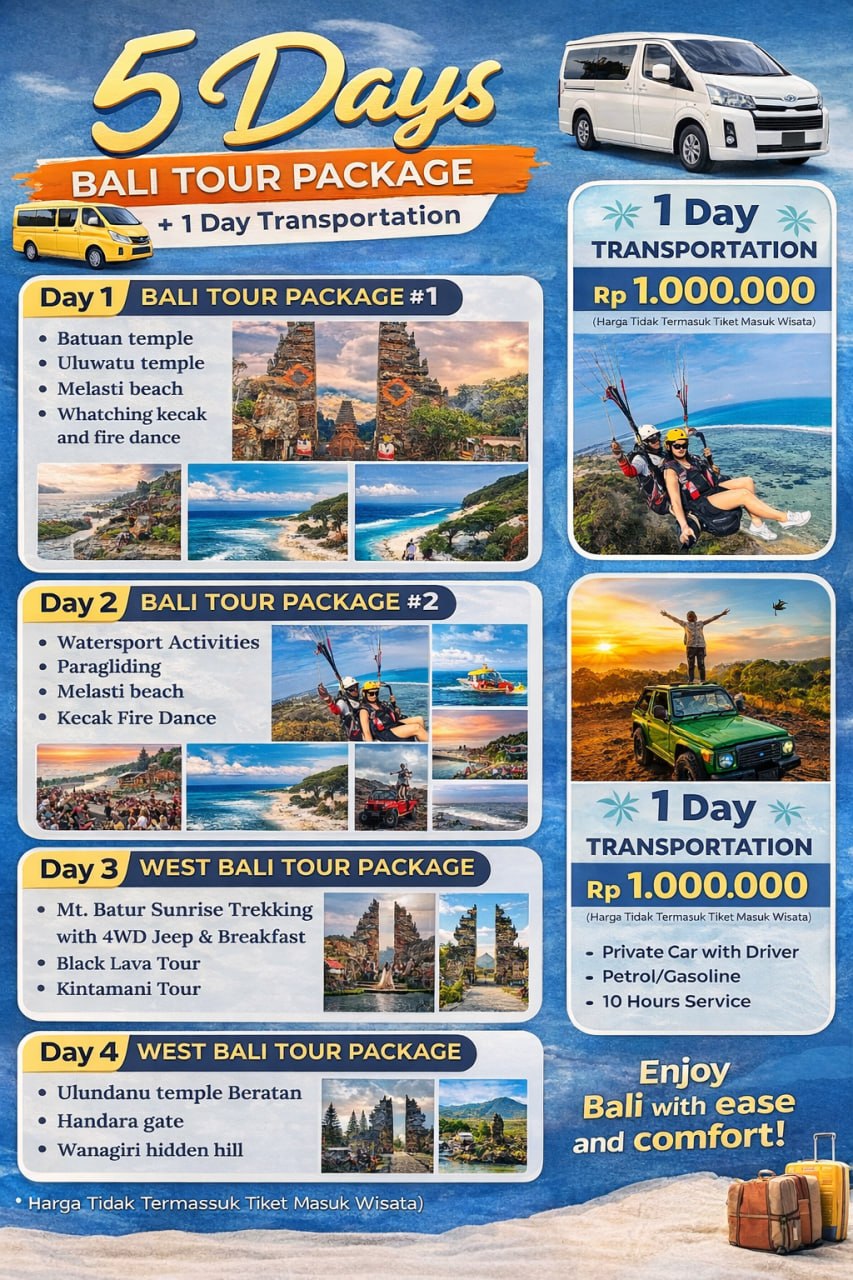
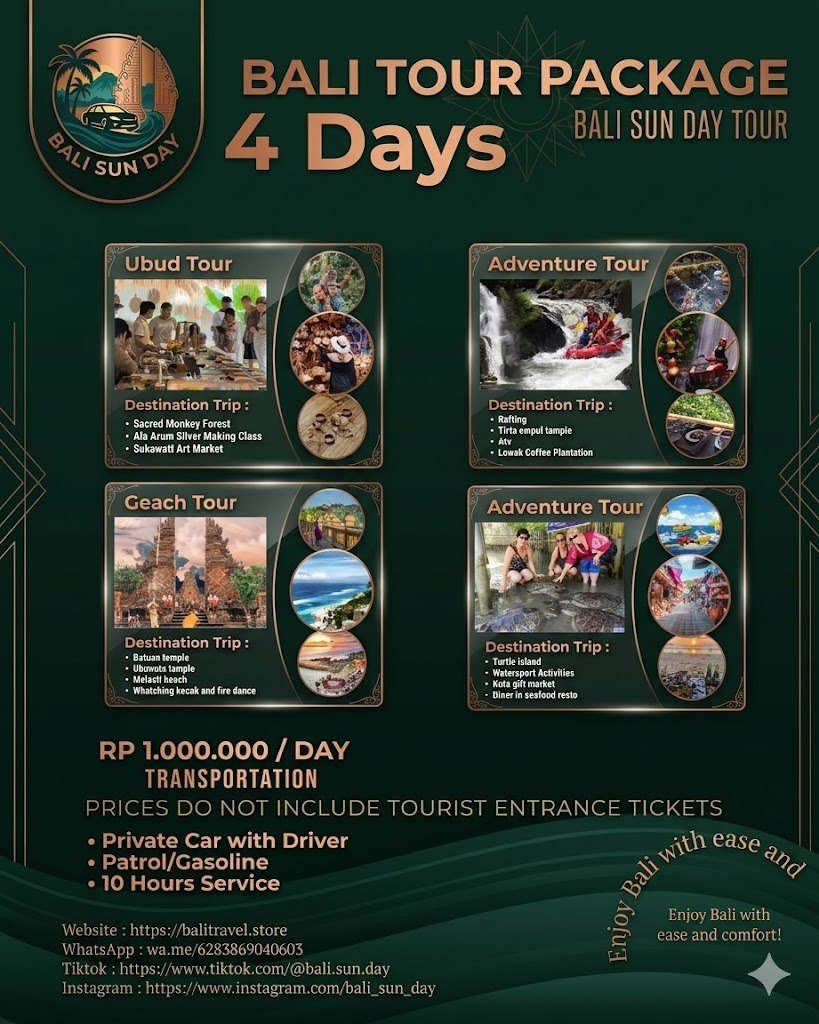
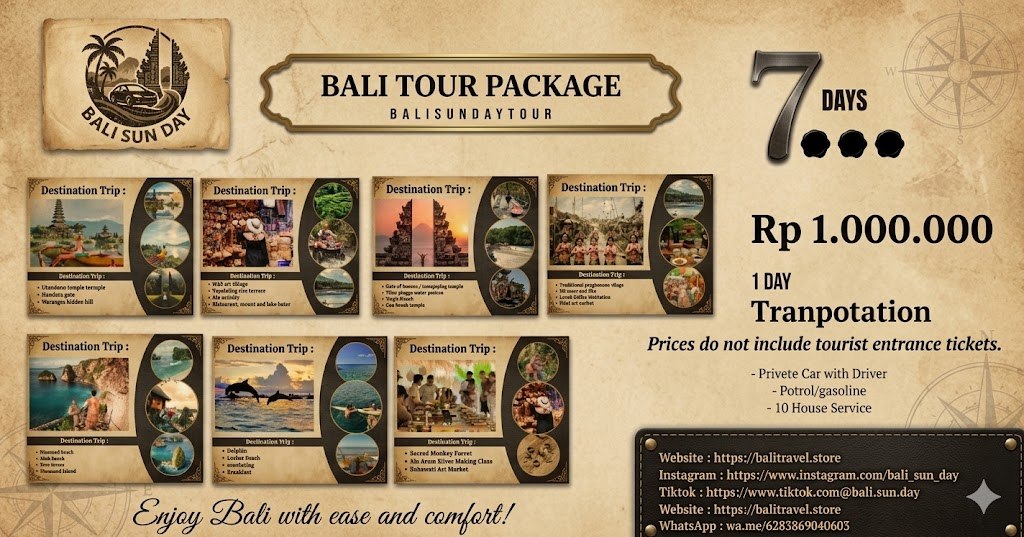
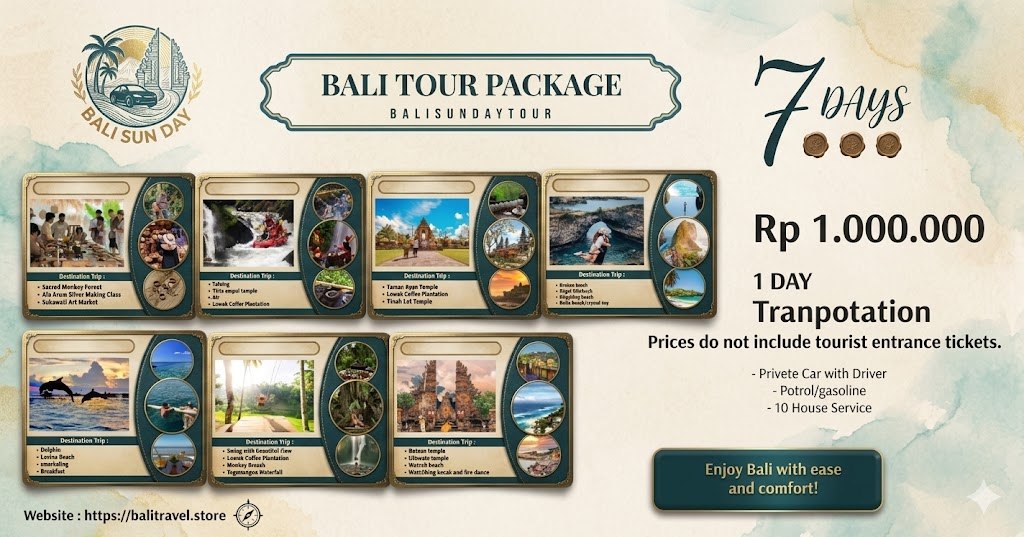
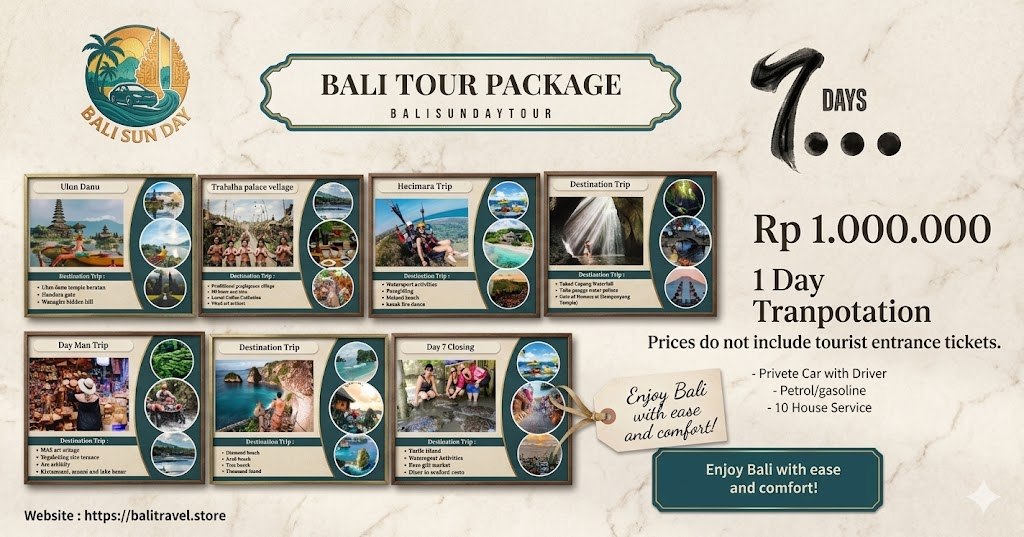
Visit oa Gajah (Elephant Cave), Ubud Monkey Forest, Ubud Art Market and Ubud Palace, Ulundanu Temple (Lake Bratan), fruits and flowers market at Candi Kuning and Taman Ayun (Royal Family Temple).  Elephant CaveMonkey
Facebook Image

PostHeaderIcon Home

baliWith a reputation as being one of the most beautiful and diverse spots in Asia, Bali attracts almost 1,000,000 visitors a year, from all around the world.

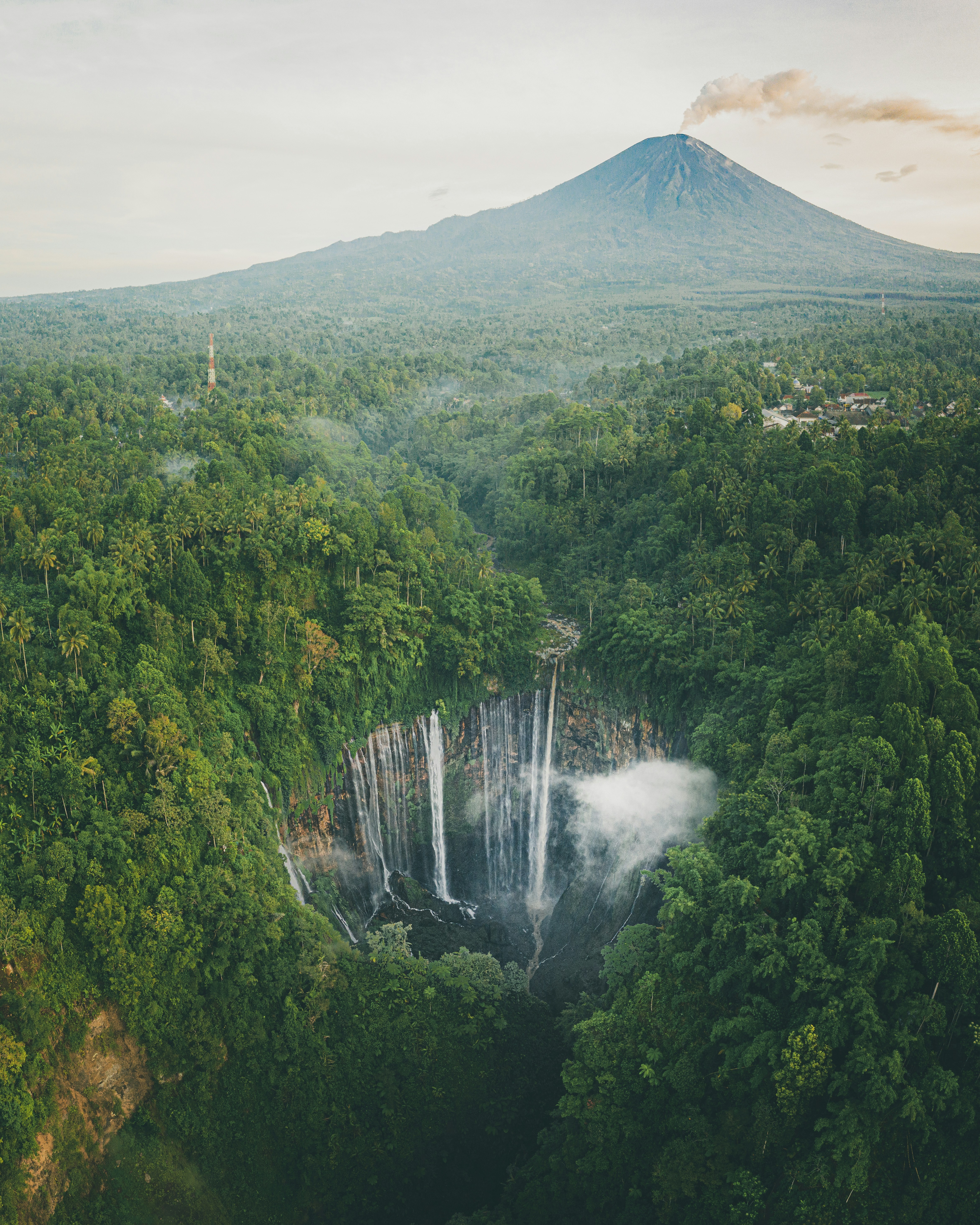
Geographically, Bali lies between the island of Java and Lombok and is one of more than 18, 00 islands that makes up the Indonesian Archipelago. Bali is small, stretching approximately 140 km from east to west and 80 km from north to south. Slightly off center, and running east to west, is a string of volcanic mountains. The tallest and the holiest is Gunung Agung, which erupted in 1963, and killed around 2.000 people with the height 3,142 meters above the sea level.

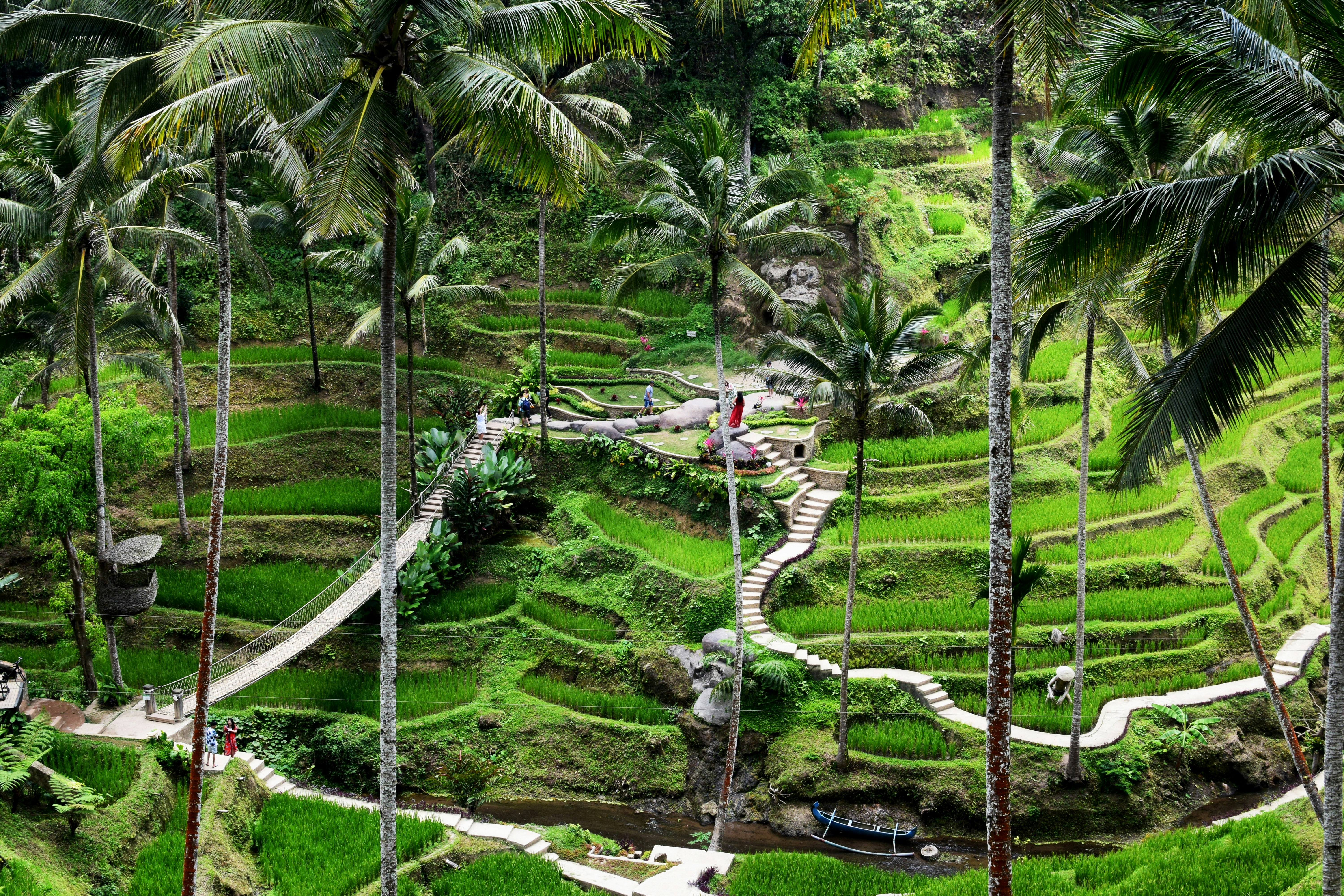
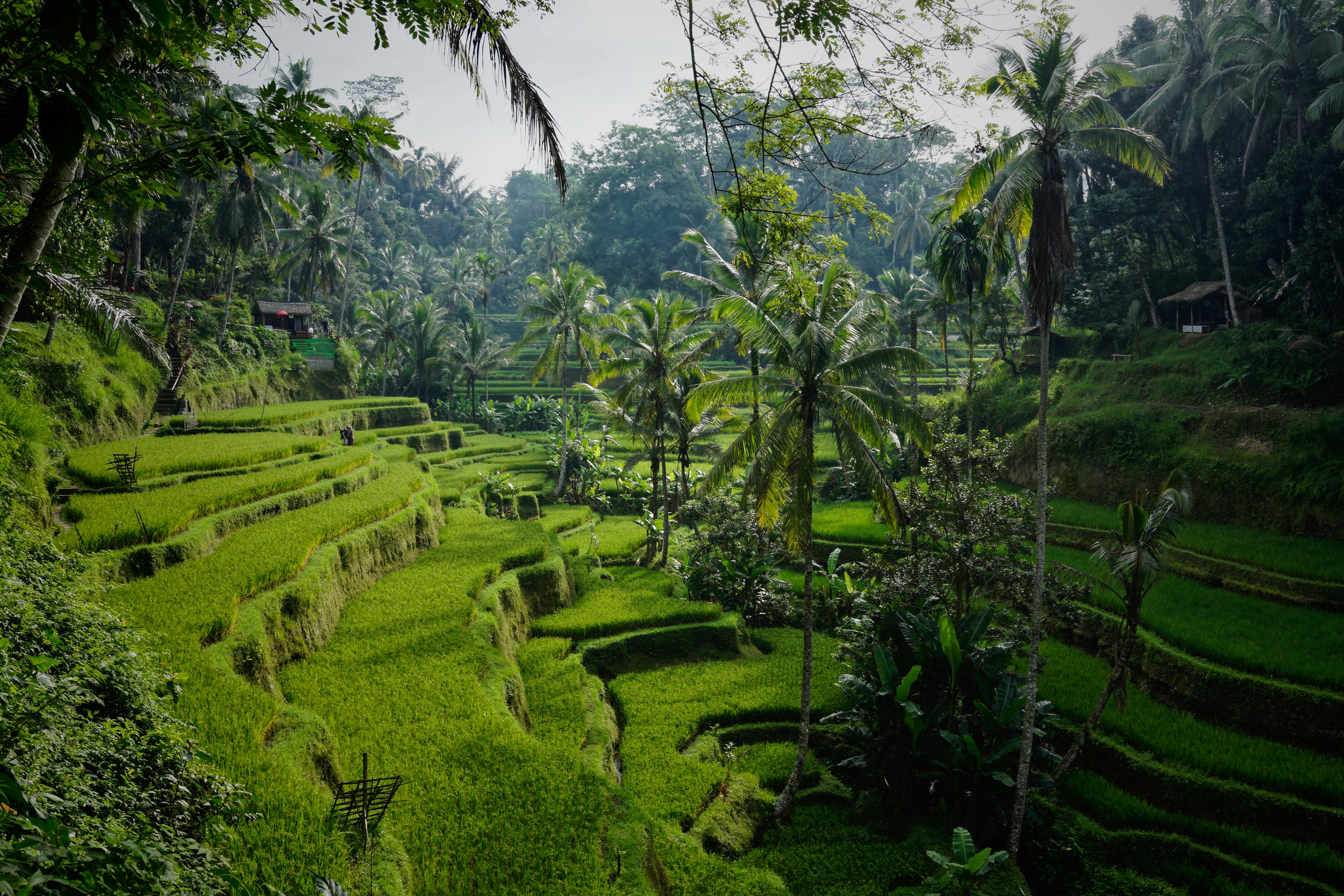
Lying just 8* south of the Equator, Bali boasts a tropical climate with just two seasons, wet and dry, a year and an average annual temperature of around 28* C. the rich volcanic soil and healthy monsoon season make this island extremely fertile and a range of crops are grown here. The wide and gently sloping south regions play host to Bali’s famed rice terraces, among some of the most spectacular in the world. In the hilly, northern coastal regions, the main produce is coffee, copra, spices, vegetables, cattle and rice. The Balinese people have strong spiritual roots and despite the large influx of tourist over the years, their culture is still very much alive. The main religion is Agama Hindu Dharma, which arrived in Bali with the spread of Hinduism through Sumatra and Java during The 11th century. Although originally from India, the Balinese religion is a unique blend of Hindu, Buddhist, Javanese and ancient indigenous beliefs, with custom that are very different from the traditional  form of Hinduism practiced in India today. With the arrival of Islam in neighboring Java during the 15th century, a large number of courtiers, artists, musicians, and craftsmen fled to Bali, creating an artistic renaissance.

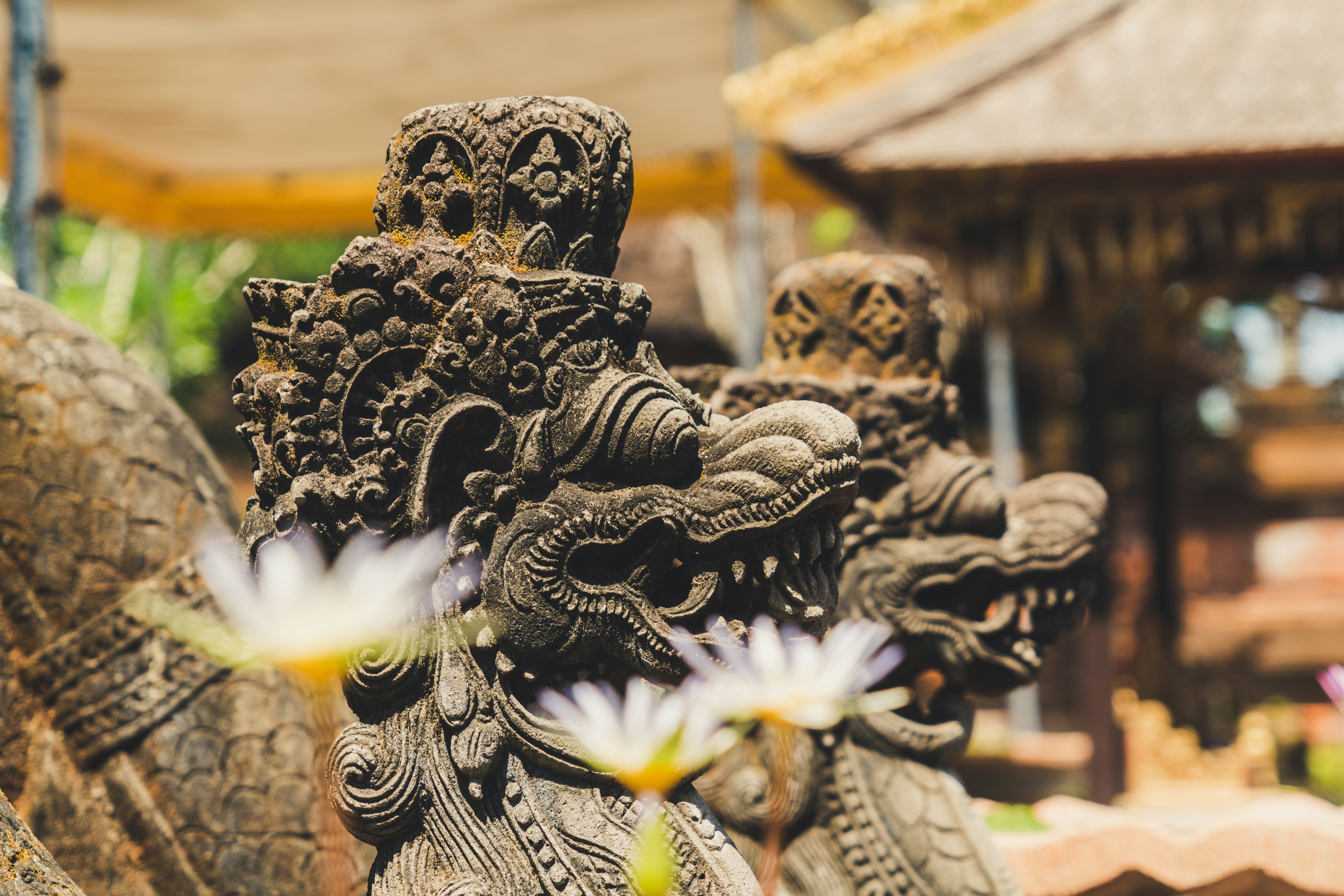
Naturally creative, the Balinese have traditionally used their talent for religious purpose and most of the beautiful work to be seen here, has been inspired by stories from the Ramayana and other Hindu epics. The incredibly colorful cremation pyres and the everyday offerings to the gods, placed inside every shop and business, are made with an eye for detail and beauty.

 
  • Ulun Danu Temple
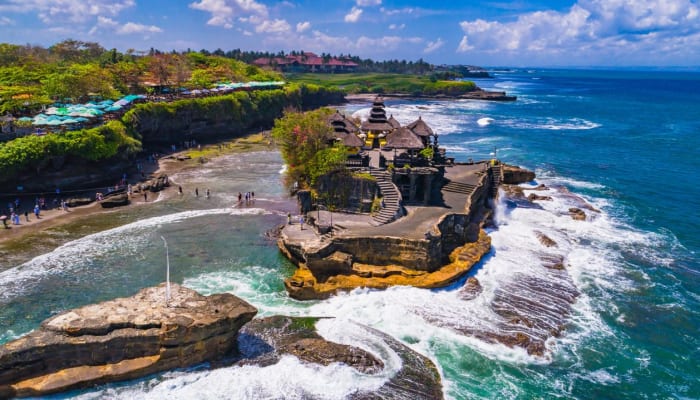
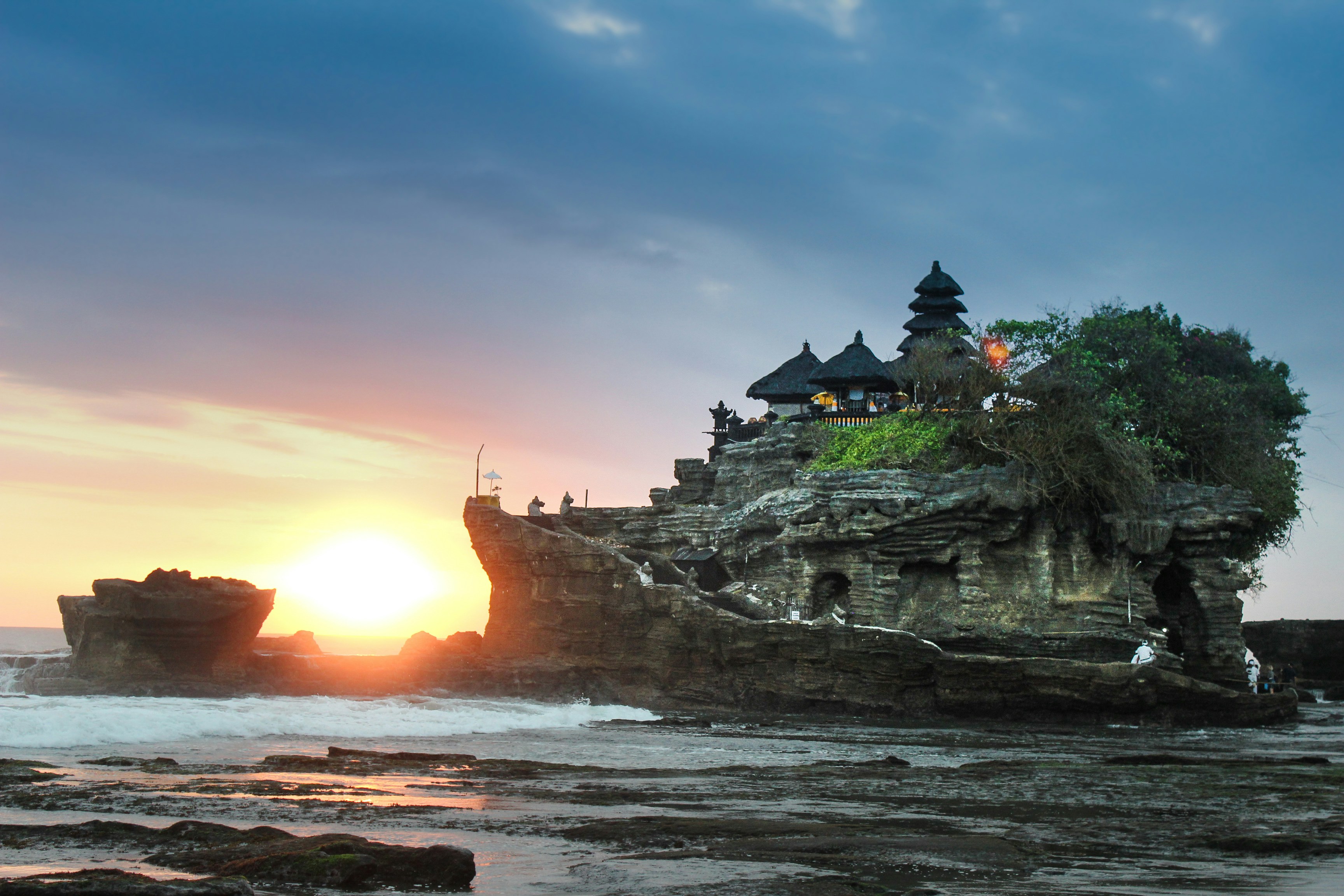
  • Tanah Lot
  • Rice Terrace
  • Surfing
  • Rafting
  • Diving
  • Dolphin
  • Dreamland Beach
SlideShow Pro Module v2.0 by JT